

 Protecting the Data Behind Artificial Intelligence
Artificial Intelligence is quickly becoming an essential part of the modern business environment. Organizations are using AI to analyze information, automate processes, improve customer experiences, accelerate decision-making and create entirely new products and services. As adoption grows, so does the amount of business-critical data that AI depends on.
But with that opportunity comes a new risk that organizations cannot afford to overlook: What happens when the data infrastructure or applications powering your AI are suddenly unavailable?
For years, disaster recovery has focused primarily on protecting servers, applications, and traditional business data. The AI era changes the equation. Organizations now need to think about protecting not only systems that run their business, but also the data and the technology that make their AI capabilities possible.
AI Has Created a New Disaster Recovery Challenge
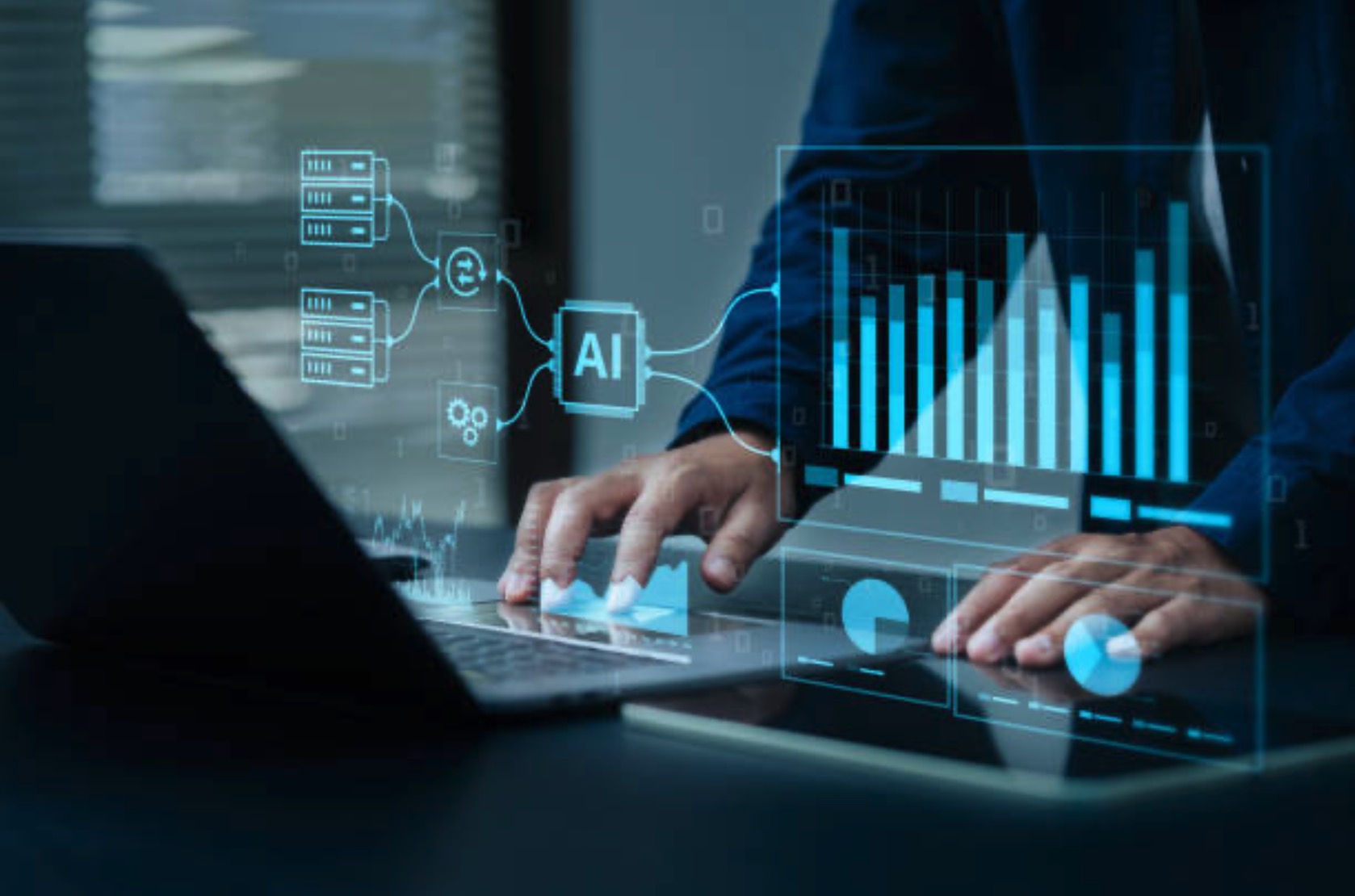 AI environments can be more complex than traditional applications. Behind an AI-powered business process may be massive data sets, databases, models, applications code, configurations, API’s integrations, and infrastructure. Each component can be critical to the performance and reliability of the overall environment.
Losing one component can create cascading problems. Imagine an organization whose AI platform is available, but the data used to train or operate that system has been corrupted. The servers may still be running, but the business may no longer be able to rely on the results. Or consider a ransomware attack that encrypts the infrastructure supporting AI applications. The organization may have backups, but those backups have not been properly protected or tested, recovery could take far longer than expected or not at all.
This is why disaster recovery for the AI era requires a broader perspective. It is about recovering the complete technology ecosystem that the business depends on.
AI Data Is Business-Critical Data
One of the biggest misconceptions surrounding AI is that AI data is somehow separate from traditional data. In reality, AI often depends on accessing some of the most valuable information an organization possesses.
Customer information, financial records, proprietary research, intellectual property, operational data, and other sensitive information may all be used to support AI applications. Over time, the AI environment itself can become a critical repository of business knowledge.
If that information is lost, corrupted or compromised, the impact can extend far beyond an IT outage. It can affect operations, customers, employees, revenue and the organization’s reputation. If your business is relying on AI agents, your AI systems and data deserve the same level of protection and recovery planning as other mission-critical business systems.

Ransomware Makes the Risk Even Greater
The persistent threat of ransomware adds another layer of urgency. Cybercriminals understand that businesses are increasingly dependent on digital systems. As AI becomes embedded into critical operations, disrupting those systems can create significant pressure on an organization.
An attacker doesn’t necessarily need to compromise the AI model itself. Encrypting the underlying databases, servers, storage, or applications can be enough to bring an AI dependent business process to a halt.
This makes resilient backups and recovery more important than ever. Organizations need protected copies of their critical data that cannot easily be altered or encrypted by an attacker. Companies also need confidence that those copies can be used to restore operations when the primary environment is unavailable.

Protecting AI Requires More Than Technology
The AI era also introduces a human element to data protection. Employees are increasingly using AI tools to summarize documents, analyze information, generate content, and improve productivity. Without appropriate governance, employees may inadvertently provide confidential or proprietary information to AI platforms.
This creates a new challenge for organizations. They need to understand what AI tools are being used, what information is being shared, where that information is stored and who has access to it.
Cybersecurity, backup, disaster recovery, and AI governance can no longer operate as completely separate conversations. They are becoming interconnected parts of an organization’s overall resilience strategy.

Cloud Does Not Eliminate the Need for Disaster Recovery
AI adoption is also driving organizations toward cloud infrastructure, but moving workloads to the cloud does not automatically mean you have a Disaster Recovery strategy. Not all cloud environments are created equal, and the level of protection, resilience, support, and recovery capabilities can vary significantly from one provider to another.
Organizations remain responsible for understanding how their applications, data configurations, access, and recovery requirements are protected. A cloud outage, compromised account, AI accidental deletion, or configuration error can still result in significant business disruption.
Companies should look beyond simply asking, “Is our Data in the Cloud? They should ask, how that data is protected, where it is stored, how quickly it can be recovered and whether recovery has been tested. Understanding the provider’s infrastructure, security measures, recovery capabilities, and support model is critical when evaluating cloud solutions for business continuity.
The Future of AI requires Resilience
 AI is changing the way organizations operate, but one thing hasn’t changed; businesses cannot afford prolonged downtime or the permanent loss of critical data. As AI becomes more deeply integrated into everyday operations, disaster recovery must evolve with it.
The organizations that succeed in the AI era won’t simply be the ones that can continue operating when something goes wrong. AI may be the future of business. IT Resilience is what makes that future sustainable. The questions every organization should be asking today are simple: If your AI tools disappeared tomorrow, how does this affect operations? How quickly could your business recover?
Ready to evaluate your recovery readiness? Schedule a call to learn how our robust cloud infrastructure and dedicated recovery expertise can help protect your business email us at info@renovodata.com.
RenovoData is a leading regulatory-compliant, cloud data protection IT services company. Our solutions range from File and Database Backup, Server Recovery, Disaster Recovery as a Service (DRaaS), Custom Cloud Hosting and Consulting solutions for on-premises and hosted environments.